
Introduction:
Creating an illustrated book? It’s way more involved than you might think. You’ve got sketches turning into actual printed pages, but have you ever thought about what actually goes into making one? It’s a team effort, really—multiple steps that all have to click together so the final product feels cohesive. Understanding this process shows just how much work goes into turning stories into something you can hold and flip through.
Concept Development:
First up, everyone’s tossing around ideas. Authors and illustrators sit down—maybe argue a bit—to figure out themes, characters, and the overall look. You know, like, “Should this feel whimsical or gritty?” They’ll doodle rough sketches and draft snippets to pin down the vibe. This part usually involves a lot of trial and error like trying to catch lightning in a bottle for both the story and the art.
Storyboarding and Planning:
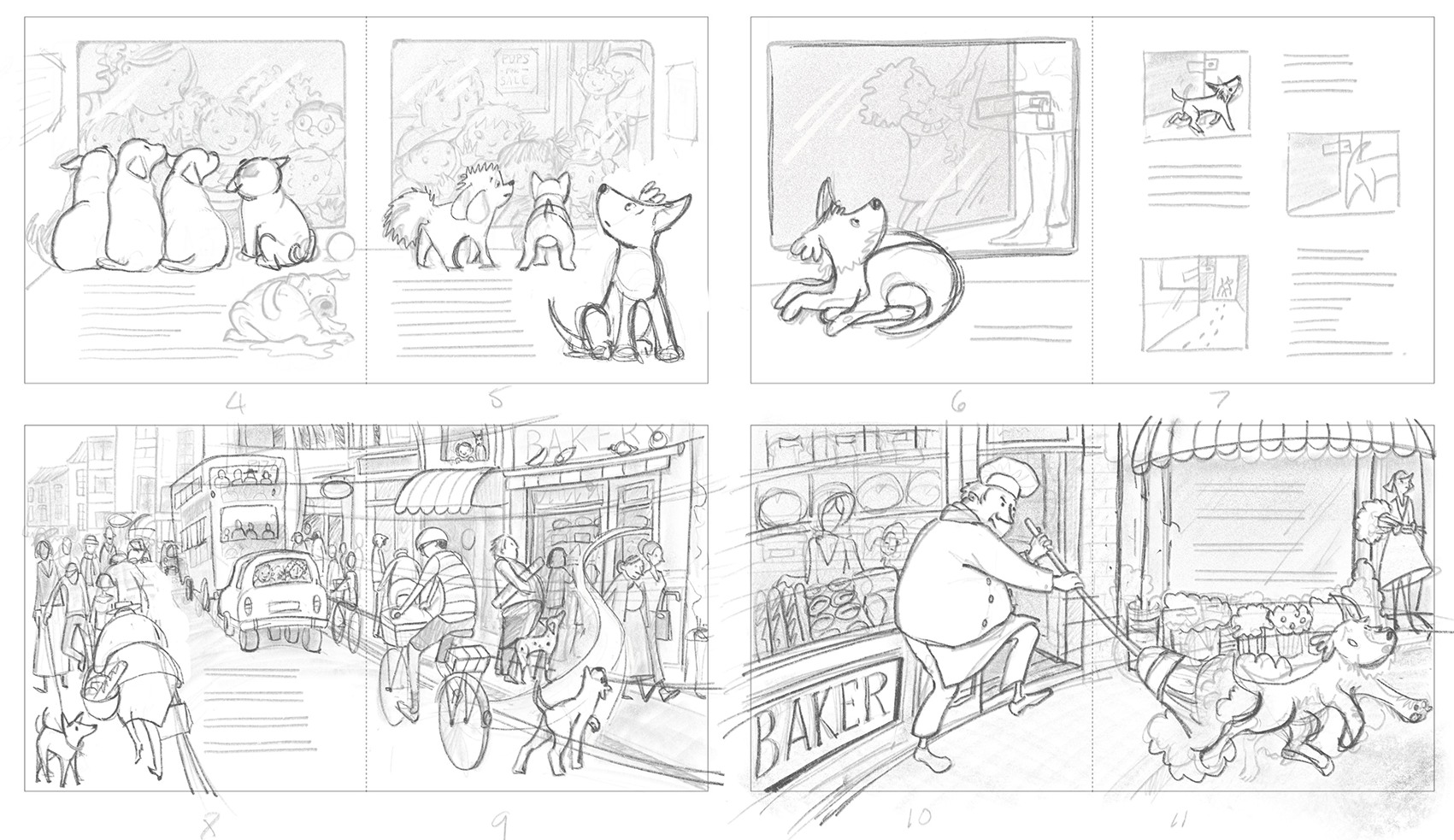
Next, they map it all out. Here’s where they make rough sketches—thumbnails, they call them—to plan how the visuals will flow. Why storyboard? Well, it helps nail down stuff like where the text will sit, how fast the story moves, and making sure the pictures don’t clash with the words. It’s basically a roadmap to avoid chaos later.
Sketching and Drafting:
After the storyboard’s done, illustrators dive into more detailed drawings. They’ll try different styles, play with angles… maybe scrap a dozen versions before landing on something that works. And it’s not just them—they might go through rounds of feedback, getting notes from, you know, authors, editors, even the art director. Everything’s got to match the story’s mood.
Illustration Development:
Once sketches get the green light, they flesh out the final art. Depending on the project, this might mean watercolors, ink, or digital tools like Adobe Illustrator or Procreate. Every little detail matters here—color choices, textures, lighting. It’s painstaking, but that’s what makes the images pop off the page.
Text and Image Integration:
At the same time, they’re working out how the words and pictures share the page. Like maybe the text wraps around an illustration, or a spread has just a single powerful image. Fonts matter too—picking one that’s readable but also fits the book’s style. It’s trickier than it sounds!
Feedback and Revisions:
There’s constant back-and-forth here. Everyone’s weighing in—editors tweak the text, illustrators adjust colors, authors might rephrase a line. It’s all about making sure nothing feels off. Could take weeks of fine-tuning… or months.
Proofing and Color Correction:
Before it goes to print? They check everything. And I mean everything. Colors might look different on screen versus paper, so they tweak things until it looks just right. Miss this step, and the whole book could end up looking muddy or too bright.
Printing and Production:
Now it’s time to make it real. They pick the paper type—glossy? Matte?—and decide how to bind it. Ever felt a book with that slightly rough cover? That’s a deliberate choice. They watch the printing like hawks to avoid smudges or misaligned pages.
Distribution and Marketing:
After printing comes getting it out there. Publishers figure out where to sell it, how to advertise… maybe plan a launch event. You’ve probably seen those eye-catching ads that highlight the art—that’s no accident. They want it to scream “Pick me up!” from the shelf.
Conclusion:
So yeah, making an illustrated book isn’t just drawing pretty pictures. It’s mixing creativity with logistics, endless revisions, and a ton of collaboration. From those first doodles to the final product, every step’s about making the story come alive visually. It’s teamwork at its best—authors, artists, editors all pushing to create something that stays with you long after you’ve turned the last page.